LMS
LMS
Last updated on 17th Jun 2026| 9286

- Introduction to Data Analytics Career Growth and Salaries
- Factors That Influence Data Analytics Salaries
- Entry-Level Data Analyst Salary Expectations
- Junior Data Analyst and Business Analyst Salaries
- Mid-Level Data Analytics Career and Salary Growth
- Senior Data Analyst Salary Trends and Responsibilities
- Data Scientist and Advanced Analytics Role Salaries
- Industry-Wise Salary Differences in Data Analytics
- Skills and Certifications That Increase Earning Potential
- Conclusion: Building a High-Growth Career in Data Analytics
Introduction to Data Analytics Career Growth and Salaries
Data analytics has become one of the most promising career fields as organizations increasingly rely on data to guide business decisions, improve operations, and identify growth opportunities. Professionals in this field analyze large volumes of information to uncover trends, generate insights, and support strategic planning. As businesses across industries continue to invest in data-driven technologies, the demand for skilled data analysts remains strong in Data analytics Training. This growing demand has created attractive career opportunities with competitive salary packages and clear advancement pathways. Data analytics careers often begin with entry-level analyst roles and can progress to senior analyst, business intelligence specialist, data scientist, analytics manager, and leadership positions. Salary growth typically increases alongside experience, technical expertise, industry knowledge, and professional certifications. Factors such as company size, location, industry sector, and specialized skills also influence earning potential. Understanding career growth opportunities and salary trends helps aspiring professionals make informed decisions about skill development, certifications, and long-term career planning in the rapidly expanding field of data analytics.
Introduction to Data Analytics Career Growth and Salaries
Data analytics salaries vary significantly based on several key factors that determine a professional’s value in the job market. One of the most important factors is experience level. Entry-level analysts typically earn less than mid-level or senior professionals who possess advanced analytical skills and industry expertise. Technical skills also play a crucial role, with proficiency in tools such as SQL, Python, R, Power BI, Tableau, and cloud platforms often leading to higher compensation in Data Analytics Training.Education and certifications can further impact salary potential. Candidates with degrees in data science, statistics, computer science, or business analytics, along with certifications from recognized institutions, are often more competitive. Industry is another major factor, as sectors such as finance, technology, healthcare, and consulting generally offer higher salaries than others.The geographic location of a job influences pay due to differences in demand, cost of living, and local market conditions. Additionally, company size and reputation can affect compensation packages, with larger organizations often providing higher salaries and better benefits. Strong communication, problem-solving, and business intelligence skills also contribute to career growth and increased earning potential in the data analytics field.
Eager to Acquire Your Data Analytics Certification? View The Data Analytics Training Offered By ACTE Right Now!
Entry-Level Data Analyst Salary Expectations
Entry-level data analyst positions provide an excellent starting point for individuals entering the analytics industry. These roles typically focus on data collection, data cleaning, report generation, dashboard development, and basic business analysis. Fresh graduates and individuals with limited professional experience usually begin their careers in these positions while developing technical and analytical expertise.
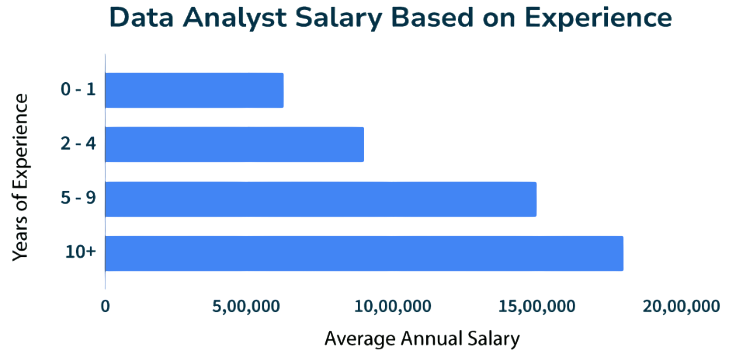
Entry-level salaries vary depending on factors such as location, industry, educational background, certifications, and technical skills. Candidates with proficiency in Excel, SQL, Power BI, Tableau, and basic statistical analysis often have stronger earning potential than those with only theoretical knowledge. Many organizations also value internship experience, practical projects, and portfolio work when determining compensation. While entry-level salaries may differ across companies and regions, they generally provide a solid foundation for future growth. As professionals gain experience, complete certifications, and work on more complex projects, salary progression can be rapid. Entry-level roles not only provide financial stability but also create opportunities for long-term career advancement in data analytics, business intelligence, and related fields.
Junior Data Analyst and Business Analyst Salaries
- Salary Range for Junior Data Analysts: Junior Data Analysts typically work with data preparation, reporting, dashboard creation, and basic business analysis tasks. Salaries at this level generally increase as professionals gain experience, technical skills, and exposure to real-world analytics projects across different industries.
- Business Analyst Compensation Trends: Business Analysts focus on gathering requirements, analyzing business processes, and supporting decision-making through data insights. Their salaries often reflect a combination of analytical skills, business knowledge, and communication abilities that contribute to organizational success.
- Industry Demand and Salary Growth: Industries such as finance, technology, consulting, and healthcare frequently offer higher salaries due to the increasing demand for skilled analytics and business analysis professionals.
- Career Advancement Opportunities: Junior professionals who continuously improve their skills and gain project experience can quickly progress to mid-level roles with significantly higher salary packages and responsibilities. Learn more in Data Analytics Training: Top Reasons to Learn.

Mid-Level Data Analytics Career and Salary Growth
- Transitioning to Mid-Level Roles: Mid-level professionals typically have several years of experience and take on greater responsibilities, including advanced analysis, reporting automation, and business intelligence initiatives.
- Increased Project Ownership: At this stage, analysts often manage larger projects, collaborate with stakeholders, and contribute directly to strategic decision-making processes within organizations.
- Growing Technical Expertise: Experience with advanced analytics tools, programming languages, cloud technologies, and predictive modeling can substantially increase earning potential for mid-level professionals. Learn more in Is Data Analytics a Good Career for Freshers.
- Leadership and Mentoring Responsibilities: Mid-level analysts frequently guide junior team members, review analytical work, and contribute to process improvements, making them valuable assets to organizations.
- Managing Complex Data Projects: Senior Data Analysts lead large-scale analytics projects that require advanced technical skills, strategic thinking, and deep business understanding to generate meaningful insights.
- Advanced Data Analysis Responsibilities: Senior professionals perform sophisticated analysis, develop forecasting models, identify trends, and support executive-level decision-making through detailed analytical reporting.
- Collaboration with Business Leaders: They regularly work with managers, executives, and stakeholders to understand business objectives and provide recommendations based on data-driven findings. Learn more in Common Mistakes Freshers Make in Data Analytics.
- Leadership and Team Development: Senior analysts often mentor junior employees, establish best practices, and help build analytics capabilities within their organizations.
- Higher Compensation and Benefits: Due to their expertise and leadership responsibilities, senior analysts typically receive significantly higher salaries, performance incentives, and career advancement opportunities.
- Expanding Beyond Traditional Analytics: Data Scientists work with machine learning, predictive analytics, artificial intelligence, and advanced statistical modeling to solve complex business problems.
- Demand for Specialized Skills: Knowledge of Python, R, machine learning frameworks, cloud platforms, and big data technologies contributes significantly to higher compensation levels and.
- Building Predictive Models: Data Scientists develop models that forecast future outcomes, improve operational efficiency, and support strategic planning across various business functions.
- Working with Large-Scale Data: Advanced analytics professionals often manage massive datasets and complex analytical systems that require specialized technical expertise and problem-solving abilities. Learn more in How to Get Your First Job in Data Analytics as a Fresher.
- Premium Salary Opportunities: Because of the complexity and value of their work, Data Scientists and advanced analytics professionals are among the highest-paid specialists in the data industry.
- Technology Industry Salaries: Technology companies often offer some of the highest salaries in analytics due to their heavy reliance on data, innovation, and advanced digital transformation initiatives.
- Financial Services Compensation: Banks, investment firms, and financial institutions provide competitive salaries because analytics plays a critical role in risk management, forecasting, and customer analysis.
- Healthcare Analytics Opportunities: Healthcare organizations increasingly invest in analytics to improve patient outcomes, operational efficiency, and research initiatives, creating strong career opportunities and Data Science vs Data Analytics vs Big Data.
- Consulting and Professional Services: Consulting firms frequently offer attractive compensation packages because analysts contribute directly to client projects and strategic business solutions.
- Retail and E-Commerce Growth: Retail and e-commerce companies rely heavily on customer data and Data Analytics, sales forecasting, and marketing analytics, leading to growing demand and competitive salaries for analytics professionals.
Excited to Obtaining Your Data Analytics Certificate? View The Data Analytics Training Offered By ACTE Right Now!
Senior Data Analyst Salary Trends and Responsibilities
Are You Considering Pursuing a Data Analytics Master’s Degree? Enroll For Data Analytics Expert Masters Program Training Course Today!
Data Scientist and Advanced Analytics Role Salaries
Set to Ace Your Data Analytics Job Interview? Check Out Our Blog on Data Analytics Interview Questions & Answer
Industry-Wise Salary Differences in Data Analytics
Skills and Certifications That Increase Earning Potential
Developing the right skills and earning industry-recognized certifications can significantly increase earning potential in the field of data analytics. Employers highly value professionals who possess strong technical expertise in tools and technologies such as Excel, SQL, Power BI, Tableau, Python, R, and cloud-based analytics platforms. Advanced skills in data visualization, statistical analysis, machine learning, predictive modeling, and business intelligence often lead to higher-paying opportunities because they enable professionals to solve complex business challenges inData Analytics Training . In addition to technical competencies, strong communication, problem-solving, critical thinking, and stakeholder management skills contribute to career advancement and salary growth. Certifications from recognized organizations and technology providers help validate expertise and demonstrate commitment to professional development. Popular certifications in data analytics, business intelligence, cloud analytics, and data science can strengthen resumes and improve job prospects. As organizations continue to prioritize data-driven decision-making, professionals who consistently upgrade their skills and stay updated with emerging technologies are more likely to secure leadership roles, specialized positions, and higher compensation packages throughout their careers.
Conclusion: Building a High-Growth Career in Data Analytics
Data analytics offers one of the most rewarding and high-growth career paths in today’s technology-driven business environment. As organizations increasingly rely on data to improve operations, understand customers, and make strategic decisions, the demand for skilled analytics professionals continues to expand across industries. Career progression in data analytics typically follows a clear path from entry-level analyst roles to senior analytical, business intelligence, data science, and leadership positions. Along this journey, salary growth is influenced by factors such as experience, technical expertise, industry specialization, certifications, and business impact in Digital Marketing Training. Professionals who invest in continuous learning, develop advanced analytical capabilities, and gain hands-on experience with modern tools and technologies often enjoy faster career advancement and higher earning potential. Beyond financial rewards, data analytics careers offer opportunities to solve meaningful business problems, contribute to innovation, and influence important organizational decisions. By building strong technical foundations, earning relevant certifications, and continuously expanding their knowledge, aspiring professionals can establish successful, long-term careers in the rapidly evolving and highly valuable field of data analytics.